The End of Digital Ownership: Why Your Game Library Is Now a Revocable License
The Washington Examiner's stark analysis confirms the endpoint of a two-decade trend: the transformation of a purchase into a conditional, revocable license.
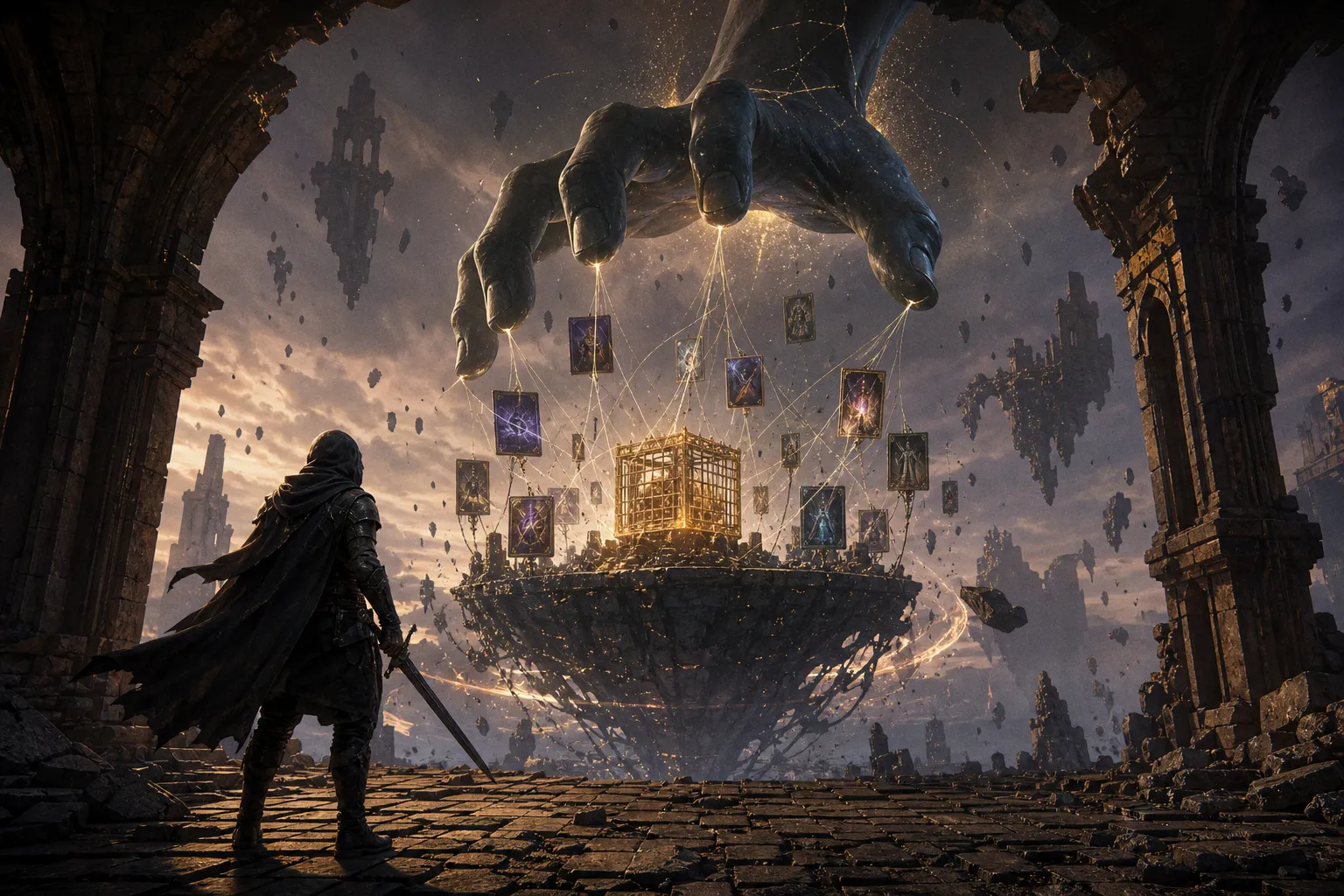
Sony's 2028 disc discontinuation isn't just a format shift; it's the final removal of physical latency from the publisher-consumer relationship. The Washington Examiner's stark analysis confirms the endpoint of a two-decade trend: the transformation of a purchase into a conditional, revocable license. For a community built on digital assets, this is the ultimate stress test of legacy systems' ownership claims.
The Architecture of Revocation
The transition is now on a hard timeline. The report notes Sony will cease physical disc production for PlayStation games by 2028, forcing a digital-only code or direct store purchase. This eliminates the last friction point—physical media—that allowed for secondary markets and archival. The control layer is now absolute. The cited EA Sports example with College Football 27 details the next stage of this architecture: monetization friction injected even into offline, single-player modes. The technical barrier to "owning" a functional experience rises with mandatory microtransactions, shifting value extraction from the point of sale to a continuous drain on engagement.
Ownership as a Service
The broader context is one of platform consolidation. The analysis draws a direct line to entertainment and tech, where access, not possession, is the default model. Netflix's entry into gaming, as hinted by the second source, represents this same philosophy from a streaming-first entity. For Web3, this isn't a vague threat—it's a clear, quantifiable problem: 100% centralization of the asset ledger and runtime environment. The latency between a player's action and a publisher's unilateral decision to alter or revoke that asset's function approaches zero. There's no physical or contractual friction to slow it down.
The verdict on the traditional model is binary. The throughput of value flows in one direction: from player to platform. The architecture is designed for maximum extraction with zero user recourse. The question for any Web3 protocol is whether its consensus mechanism, smart contract design, and data layer can reintroduce credible friction—not as a bug, but as a feature guaranteeing irreversible ownership.