The $17bn D2C market, the Esports World Cup and Pokémon Go's 10th anniversary | Week in Views
A claimed $17 billion direct-to-consumer market in mobile gaming warrants immediate scrutiny. Appcharge's figure, presented to PocketGamer.biz, hinges on survey data the company itself acknowledges skews toward smaller studios.
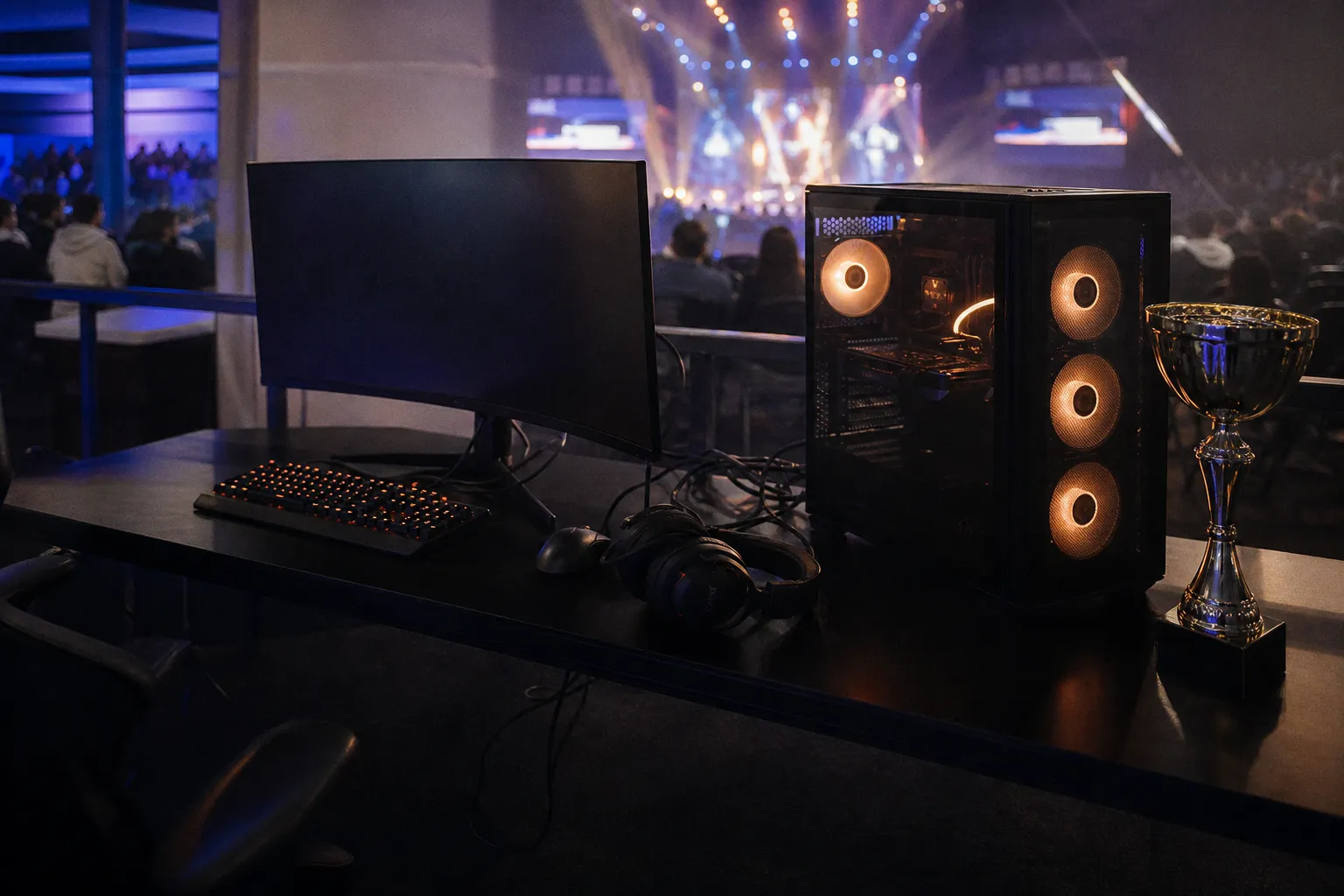
Esports World Cup: A Geographic Shift and a $75M Stress Test
The relocation of the 2026 Esports World Cup from Saudi Arabia to Paris is a significant logistics and perception overhaul. Over seven weeks, 2,000+ players from 100+ countries will compete across 25 tournaments for a $75 million prize pool. This scale introduces massive coordination latency. The tournament's ambition to become a "travelling event" is an interesting architectural decision—rotating hosts could distribute regional engagement but multiplies operational friction year-over-year. For Web3 gaming, this is a critical observation point. Esports remains a primary onboarding funnel for competitive gamers into digital asset ownership. A successful, high-profile event could accelerate that integration. A failure, however, would further entrench the narrative of esports as a volatile, sponsor-dependent circuit with unstable tokenomics underpinning its prizes.
Pokémon Go: A Decade of Sustained Throughput
Pokémon Go's tenth anniversary is less a celebration and more a case study in sustained user throughput. AppMagic data estimates over $9 billion in consumer spending across official app stores since launch, with additional volume flowing through its web shop. This longevity is a direct challenge to the GameFi "hype-and-churn" cycle. The game's underlying technology—AR and geolocation—provides a persistent, low-friction engagement layer that most token-based play-to-earn models have failed to replicate. Its "Ambassador Programme," mentioned in the source material, appears to be a community governance structure that encourages local play. This is a classic state-channel design: offloading coordination and validation (in this case, local community events) from the core protocol (Niantic's servers) to reduce latency and scale participation. The $9 billion figure is a hard metric on the viability of real-world asset (in this case, digital creature) collection as a decade-long revenue model, independent of token price speculation.