Gaming’s Fault Lines: Consoles, Components, and a Fragile Industry
Sony will stop producing game discs starting January 2028. Xbox is engineering a disc-to-digitize pathway for existing libraries.
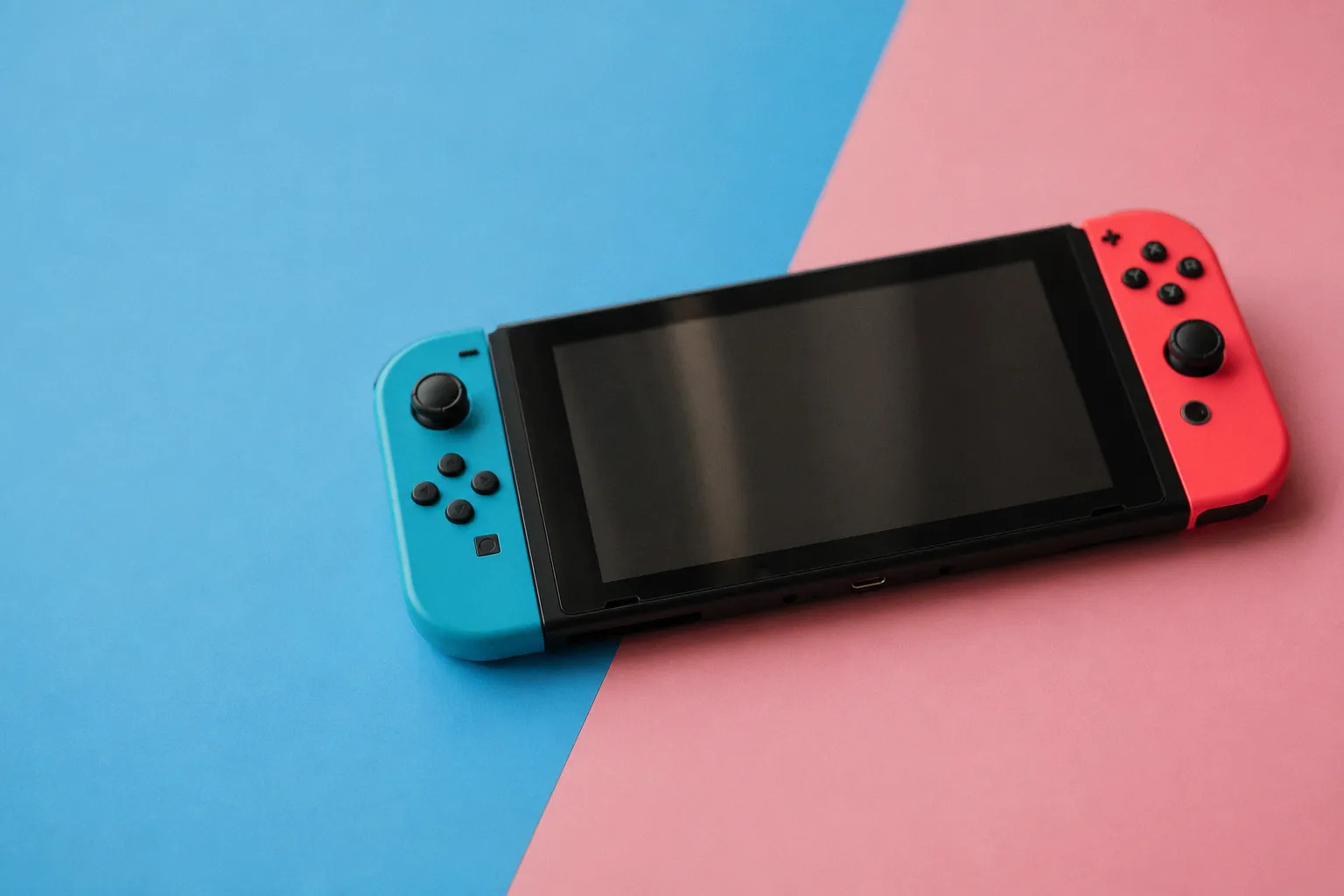
The Distribution Bottleneck
Physical software sales in the US have trended downward since 2000, with one recent exception tied to Switch 2 launch demand that Circana describes as temporary. Sony's disc exit directly lowers retail software throughput and, per Piscatella, makes it "safe to assume that both PlayStation 6 and Project Helix will be digital-only devices." Xbox's disc-to-digital feature functions less as preservation tooling and more as a migration utility—binding physical ownership to a closed authentication layer where discs become license keys rather than transferrable artifacts. The throughput gain for publishers is real: no SKU returns, no secondary market friction, no retail margin carve-out. The throughput loss for players is equally real: no resale, no lending, no cross-account portability without platform consent.
The shelf won't go empty. Piscatella expects more codes-in-boxes, more merch bundles, more special editions. What disappears is the player's option to hold a durable, offline-resolvable artifact outside the platform's state machine.
Ownership vs. License: The Structural Fault
For the Web3 gaming stack, the timing is diagnostic. Console manufacturers are doubling down on the license-model assumption—that the distributor retains authority over every installed copy, in perpetuity, across hardware generations. Tokenized assets and on-chain inventory exist precisely because this assumption produces single points of failure: server shutdowns, storefront delistings, and account-bans that wipe scarcity without recourse. A cartridge held by a Nintendo Switch 2 owner and a fungible token held in a self-custody wallet are not the same instrument, but they share a property console distribution is methodically dismantling—exit optionality. One is a file the platform can revoke. The other is a record the platform cannot alter. The industry is choosing the file.
Friction to Track
Two data points will determine whether this consolidation accelerates or stalls. First, Switch 2 physical sell-through over the next two quarters—a sustained decline would erode Nintendo's incentive to keep pressing cartridges. Second, the actual deployment window for Project Helix and whether Microsoft's disc-to-digital mechanism requires periodic re-authentication from Microsoft's servers. If the digitization flow needs a live platform handshake to function, the conversion isn't a portability feature; it's a leash with a friendlier UI. VPN brands have already positioned for the irony, launching mock "physical media" services that parody the gap between player demand for durable artifacts and the platforms' removal of them.
The verdict on console distribution architecture: guilty as charged. The tokenized counter-architecture remains an open test.